Have you ever wondered how medical professionals identify potential health issues? The answer lies in the vital procedures known as biopsies. These tests not only provide clarity but also empower patients to take charge of their health journey.
What You Will Learn
- Testicular and prostate biopsies are essential for diagnosing abnormalities and diseases, particularly cancer.
- Common reasons for undergoing biopsies include unexplained pain, elevated biomarkers, and abnormal imaging results.
- Early detection of cancer through biopsies can significantly improve treatment outcomes.
- Different techniques such as fine needle aspiration and core needle biopsy have distinct advantages based on diagnostic needs.
- Understanding the risks and benefits of biopsies can help ease patient anxiety and foster informed decision-making.
- Preparation and aftercare are crucial for a smooth procedure and recovery experience.
- Fostering open communication with healthcare providers is essential for addressing concerns and ensuring support throughout the process.
Testicular vs. Prostate Biopsies: Key Differences and Similarities
Understanding the distinctions between testicular and prostate biopsies can help patients navigate their health journey with confidence.
Testicular Biopsy
Involves removing a small piece of tissue from the testicle.
Common Reasons:
- ★ Suspected tumors
- ★ Infertility evaluation
Techniques:
- ★ Open surgical biopsy
- ★ Needle biopsy
Prostate Biopsy
Involves taking samples from the prostate gland.
Common Reasons:
- ★ Elevated PSA levels
- ★ Abnormal DRE findings
Methodologies:
- ★ Transrectal (TRUS)
- ★ Transperineal
Common Biopsy Techniques
Methods used to obtain tissue samples for analysis.
Fine Needle Aspiration (FNA):
- ★ Less invasive
- ★ Minimal recovery time
Core Needle Biopsy (CNB):
- ★ Larger sample
- ★ More informative for diagnosis
Risks & Benefits of Biopsies
Understanding the balance between potential drawbacks and crucial advantages.
Common Risks:
- ● Bleeding
- ● Infection
- ● Discomfort
Key Benefits:
- ✓ Early cancer detection
- ✓ Definitive diagnosis
Understanding Testicular and Prostate Biopsies: An Overview
When it comes to understanding our health, knowledge is empowering! In this section, we’ll explore testicular and prostate biopsies, two essential procedures that help us gain insights into our well-being. Let’s break down what these biopsies entail and why they are crucial in diagnosing potential health issues.
What Are Testicular and Prostate Biopsies?
Defining the Procedures and Their Purpose
Testicular and prostate biopsies are medical procedures used to obtain tissue samples for examination. A testicular biopsy involves removing a small piece of tissue from the testicle, while a prostate biopsy typically involves taking samples from the prostate gland. These procedures are performed to identify any abnormalities or diseases, particularly cancer. Understanding the purpose behind these biopsies can alleviate anxiety and foster informed decision-making.
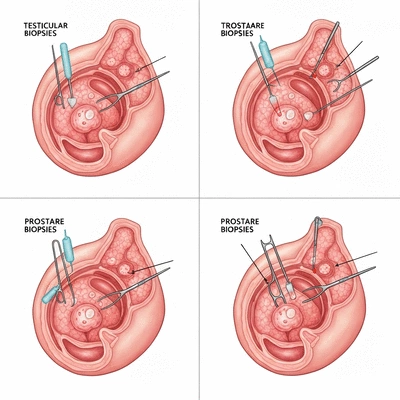
Ultimately, both procedures aim to help doctors diagnose conditions, providing clarity and a roadmap for potential treatment options. Knowing what to expect can help patients feel more confident going into these procedures! The Cleveland Clinic provides a comprehensive overview of biopsies, including why they are performed and what they involve.
Common Reasons for Undergoing These Biopsies
- Unexplained pain in the pelvic or abdominal area
- Elevated levels of specific biomarkers, such as PSA for prostate health
- Abnormal findings from imaging tests like ultrasounds or MRIs
- Suspected infections or tumors
Patients often find themselves wondering why a biopsy is necessary. These common reasons help highlight the importance of these procedures in diagnosing and managing health conditions effectively. Remember, knowing the reasons can help you feel more at ease!
Cancer Detection: Understanding the Role of Biopsies in Diagnosis
One of the primary roles of testicular and prostate biopsies is in the detection of cancer. These procedures are crucial because they provide definitive answers that imaging studies cannot offer. By analyzing the tissue samples, pathologists can determine if cancer cells are present and, if so, the type and stage of the cancer.
Early detection through biopsies can significantly enhance treatment outcomes. For a deeper understanding of the diagnostic process, the Mayo Clinic offers insights into how biopsies are used to diagnose various conditions, including cancer. It's important to have conversations with your healthcare provider about any concerns you may have regarding these procedures. Having a clear understanding empowers patients to take control of their health journey!
Comparative Analysis of Testicular vs. Prostate Biopsies
Methodologies: Transrectal vs. Transperineal Approaches
Both testicular and prostate biopsies can be performed using different methodologies. The most common approach for prostate biopsies is the transrectal method, where the doctor inserts a probe into the rectum to guide the needle. Alternatively, a transperineal approach involves accessing the prostate through the skin between the scrotum and anus.
Understanding these methodologies can help patients discuss their options with their doctors. Each method has its advantages, and your healthcare provider can help you decide which approach may be best suited for your specific situation.
Biopsy Techniques: Fine Needle Aspiration vs. Core Needle Biopsy
When it comes to obtaining tissue samples, two main techniques are commonly used: fine needle aspiration (FNA) and core needle biopsy (CNB). FNA uses a thin needle to extract fluid or small tissue samples, while CNB utilizes a larger needle to obtain a cylindrical piece of tissue.
- Fine Needle Aspiration: Less invasive, often with minimal recovery time.
- Core Needle Biopsy: Provides a larger sample, which can be more informative for diagnosis.
The choice between these techniques depends on various factors, including the location of the biopsy and the information needed by the healthcare team. It’s essential to discuss these options with your physician!

Risks and Benefits of Each Biopsy Type
Like any medical procedure, testicular and prostate biopsies come with their own set of risks and benefits. Understanding these can help alleviate any fears. Some common risks include bleeding, infection, and discomfort at the biopsy site. However, the benefits often outweigh these risks, especially when it comes to early cancer detection. The National Center for Biotechnology Information (NCBI) provides detailed information on the various types of biopsies and their associated risks, offering a valuable resource for patients. Being informed about what to expect can help patients mentally prepare for the procedure. Engaging in open conversations with your healthcare provider can provide the clarity and reassurance needed to move forward confidently.
Pro Tip
Did you know that discussing your concerns with your healthcare provider before a biopsy can significantly reduce anxiety? Preparing a list of questions and openly communicating about what to expect can empower you, making the process feel less daunting. Remember, knowledge is your best ally in navigating these medical procedures!
Frequently Asked Questions (FAQs)
What is the primary purpose of a testicular or prostate biopsy?
The primary purpose of these biopsies is to obtain tissue samples to identify abnormalities or diseases, particularly cancer, that cannot be definitively diagnosed through imaging alone.
What are common reasons a doctor might recommend a biopsy?
Common reasons include unexplained pain in the pelvic or abdominal area, elevated levels of specific biomarkers (like PSA for prostate health), or abnormal findings from imaging tests (ultrasounds or MRIs).
How do testicular and prostate biopsies differ?
A testicular biopsy involves removing tissue from the testicle, often for suspected tumors or infertility evaluation. A prostate biopsy takes samples from the prostate gland, typically due to elevated PSA levels or abnormal digital rectal exam findings.
What are the main techniques used for biopsies?
The two main techniques are Fine Needle Aspiration (FNA), which is less invasive and uses a thin needle for small samples, and Core Needle Biopsy (CNB), which uses a larger needle to obtain a more substantial tissue sample for a more informative diagnosis.
What are the potential risks and benefits of a biopsy?
Common risks include bleeding, infection, and discomfort. However, the benefits often outweigh these risks, especially given the crucial role biopsies play in early cancer detection and definitive diagnosis, which can significantly improve treatment outcomes.
Final Thoughts on Biopsy Preparation and Recovery
As we wrap up our discussion on biopsy procedures, I want to emphasize the critical role preparation and aftercare play in your overall experience. Understanding the ins and outs of what to expect can help alleviate a lot of anxiety surrounding these procedures. So let's summarize the key takeaways that every patient should keep in mind!
Summarizing Key Takeaways for Patients
- Preparation is crucial: Follow your doctor's guidelines closely to ensure a smooth procedure.
- Aftercare matters: Adhering to post-procedure advice can minimize complications and support recovery.
- Stay informed: Knowledge about the procedure, potential side effects, and recovery can empower you.
Remember that preparation isn't just about the day of the procedure; it's about laying the groundwork for your health journey. Being well-informed can help you feel more in control and less anxious. The more you understand your role in the process, the better you'll navigate any challenges that may arise!
Encouraging Open Communication with Healthcare Providers
One of the best pieces of advice I can give is to foster open communication with your healthcare team. Don’t hesitate to discuss your concerns or ask questions, whether before or after your biopsy. This dialogue is vital to ensuring you feel supported and informed throughout your experience!
Questions to Ask Your Doctor Before and After the Procedure
- What specific preparations do I need to follow?
- What can I expect during the procedure?
- How will I know if I need to seek further medical attention?
- When should I expect my results and who will discuss them with me?
These questions can help clarify any uncertainties, making the process feel less daunting. Trust your healthcare team to guide you through this journey. Engaging in meaningful conversations will not only enhance your understanding but also build a supportive relationship with your medical providers.
Invitation for Further Engagement
Explore Additional Resources on Biopsy Procedures
At What Is A Biopsy, we believe in empowering patients with knowledge, and there's always more to learn! I encourage you to explore our extensive library of resources to deepen your understanding of biopsies and related topics.
Links to Related Articles on Cancer Screening and Patient Care
- Understanding Cancer Screening Procedures
- Best Practices for Patient Care During Biopsy Recovery
- Interpreting Your Biopsy Results: A Guide
In addition to these articles, you can find valuable insights about biopsy alternatives and ongoing clinical trials, which can offer further options for your healthcare journey. Always remember that being proactive about your health is a powerful step towards wellness!
Understanding Biopsy Alternatives and Clinical Trials
By diving into these resources, you can equip yourself with the knowledge needed to navigate your health journey with confidence. I'm here to support you every step of the way!
Recap of Key Points
Here is a quick recap of the important points discussed in the article:
- Understand the Purpose: Testicular and prostate biopsies are essential for diagnosing abnormalities and potential cancers.
- Know Common Reasons: Common reasons for undergoing biopsies include unexplained pain and elevated biomarkers.
- Discuss Methodologies: Familiarize yourself with different biopsy approaches, such as transrectal and transperineal.
- Consider Techniques: Know the difference between fine needle aspiration and core needle biopsy and their respective benefits.
- Be Informed About Risks: Understand the risks and benefits associated with both testicular and prostate biopsies.
- Preparation and Aftercare: Proper preparation and following aftercare advice are crucial for recovery.
- Communicate Openly: Foster open communication with your healthcare provider to address any concerns.