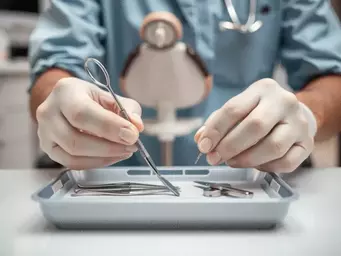

What if the key to feeling at ease during a medical procedure lies in understanding the process itself? Preparing for a biopsy doesn't have to be intimidating. By knowing what to expect, you can approach your appointment with confidence and clarity.
What You Will Learn
- The biopsy process involves friendly staff who guide you through each step, ensuring your comfort.
- Disclosing all medications, including blood thinners and supplements, is crucial for your safety.
- Fasting guidelines may apply, so it's essential to follow your healthcare provider's instructions.
- Different biopsy techniques exist, such as surgical and needle biopsies, each suited to specific needs.
- Patients with specific medical conditions may need tailored preparation instructions for biopsies.
- Understanding anesthesia options can help minimize discomfort during the procedure.
- Effective communication with your healthcare team enhances your overall biopsy experience.
Key Biopsy Preparation Guidelines
Understanding the essential steps for biopsy preparation can significantly improve your experience. Below are the critical aspects to consider for a smooth and safe procedure.
Medication Management: Disclose All Medications
- ✓List all current medications
- ✓Provide information on blood thinners
- ✓Disclose any supplements/herbal products
Fasting Instructions: When and What to Avoid
- ✓No food or drink after midnight
- ✓Small sips of water with meds (if allowed)
- ✓Clarify exceptions for health conditions
Anesthesia Options: Choose Your Comfort
- ✓Local Anesthesia: Numbing the biopsy area
- ✓General Anesthesia: Deep sleep for complex procedures
Understanding Biopsy Preparation: Key Considerations for Patients
Preparing for a biopsy can feel daunting, but taking the time to understand the process can really help ease your mind. A biopsy is essentially a way for doctors to collect a small sample of tissue to examine for abnormalities, such as cancer. It's like detective work, where each piece of tissue helps to uncover important clues about your health!
Throughout this article, I’ll guide you through what to expect during the biopsy process, essential preparation guidelines, and specific considerations for various medical conditions. So let’s get started!
What to Expect During the Biopsy Process
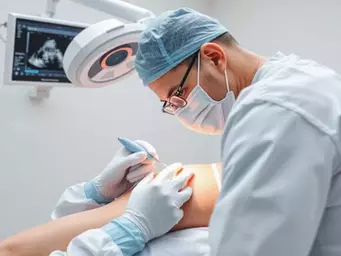
When you arrive for your biopsy, you can expect to meet a friendly team focused on your comfort and care. The procedure itself may vary depending on the type of biopsy being performed, but generally, it involves using a needle or a small surgical tool to take a sample. You'll be informed every step of the way, so there’s no need to worry—you’re in good hands!
- Friendly staff who will explain each step
- Comfortable setting to help ease anxiety
- Clear communication about the procedure and recovery
Being informed about what happens during the biopsy can help you feel more at ease. Remember, the goal of this procedure is to provide you and your doctor with the information needed to make informed decisions about your health.
Essential Biopsy Preparation Guidelines
Preparation is key to a smooth biopsy experience. Here are some essential guidelines to help you get ready:
Medication Management: What You Need to Know
Before your biopsy, it’s vital to disclose all medications you’re taking, including over-the-counter drugs and supplements. This is especially important for blood thinners, as they can increase the risk of bleeding during the procedure. Don't hesitate to mention any herbal supplements as well! More information on biopsy preparation can be found on Penn Medicine's website.
- List all current medications
- Provide information on blood thinners
- Disclose any supplements or herbal products
By being transparent about your medications, you'll help your healthcare team prepare effectively and ensure your safety during the biopsy.
Fasting and Eating Instructions: When and What to Avoid
Depending on the type of biopsy, your healthcare provider may give you specific instructions about fasting. For instance, many procedures require you to avoid food for a certain number of hours beforehand. It’s essential to follow these guidelines to ensure that your body is ready for the procedure.
Here are some common fasting recommendations:
- Do not eat or drink anything after midnight before the biopsy
- Check if you can take medications with a small sip of water
- Clarify if any exceptions apply based on your health conditions
Sticking to these fasting guidelines will help minimize risks and prepare your body for the biopsy, ensuring the best possible outcome!

Understanding Different Biopsy Techniques
There are various biopsy techniques, each designed to suit different medical needs. Understanding these methods can help you feel more prepared and informed. Here’s a brief overview:
- Surgical Biopsy: Involves removing a larger tissue sample through surgery.
- Needle Biopsy: A thin needle is used to extract tissue, often guided by imaging techniques.
- Fine Needle Aspiration: A very thin needle collects fluid or tissue samples to analyze.
Each technique has its own purpose, and your doctor will decide which one is best for you, based on your specific situation and health history. To learn more about various biopsy procedures, refer to Mayo Clinic's comprehensive guide.
Pre-Biopsy Instructions: Preparing for Specific Medical Conditions
It's important to consider any specific medical conditions you may have as they can impact your biopsy preparation. For instance, patients with diabetes may need tailored instructions regarding medication adjustments and blood sugar monitoring. Always consult with your healthcare provider to ensure you're fully prepared.
Anesthesia Options: What Patients Should Know
Many biopsies require anesthesia to minimize discomfort. Understanding your options is crucial. Typically, there are two main types:
- Local Anesthesia: Numbs only the area where the biopsy will be performed.
- General Anesthesia: Puts you into a deep sleep for the duration of the procedure.
Your healthcare provider will discuss which type is most suitable for your specific biopsy, considering your medical history and the complexity of the procedure. Don't hesitate to ask questions about what to expect! For more detailed information on anesthesia options, you can visit RadiologyInfo.org.
Frequently Asked Questions About Biopsy Preparation
- Q: Why is it important to disclose all medications before a biopsy?
- A: Disclosing all medications, especially blood thinners and supplements, is crucial to prevent complications like excessive bleeding during the procedure. Your healthcare team needs this information to ensure your safety and adjust preparation instructions if necessary.
- Q: What are common fasting guidelines before a biopsy?
- A: Many procedures require you to avoid food and drink after midnight on the day of the biopsy. You may be allowed small sips of water with essential medications, but it's vital to confirm specific instructions with your healthcare provider, as they can vary based on the biopsy type and your health conditions.
- Q: What are the main types of biopsy techniques?
- A: Common biopsy techniques include surgical biopsies (removing a larger tissue sample through surgery), needle biopsies (using a thin needle, often guided by imaging), and fine needle aspiration (using a very thin needle to collect fluid or tissue). The choice depends on your specific medical needs.
- Q: What anesthesia options are available for biopsies?
- A: The two main types are local anesthesia, which numbs only the biopsy area, and general anesthesia, which puts you into a deep sleep for more complex procedures. Your doctor will recommend the most suitable option based on your medical history and the nature of the biopsy.
- Q: How can I ensure effective communication with my healthcare team?
- A: Don't hesitate to ask questions about anything you don't understand, express any concerns you have, and clearly disclose all relevant medical information. Being proactive and open about your health enhances your overall biopsy experience and helps the team provide the best care.
We Want to Hear From You!
How are you feeling about your upcoming biopsy? Share your thoughts below:
Final Thoughts on Biopsy Preparation for Patients
As we wrap up our discussion on biopsy preparation, it’s crucial to emphasize how thorough preparation and open communication with your healthcare providers can significantly enhance your experience. Feeling anxious is completely normal, but knowing what to expect can help ease those worries. Remember, every step taken before the procedure contributes to a smoother process, allowing you to focus on your health and recovery!
Don’t hesitate to reach out to your medical team with any questions or concerns. They are there to support you and ensure you feel confident every step of the way.

Patient Education and Support Resources
At What Is A Biopsy, we believe in empowering patients with knowledge. That’s why we provide a range of educational materials and support options to help you navigate the biopsy process with clarity. Here are some resources you can utilize:
- Comprehensive articles on different biopsy types and procedures.
- Animated visuals explaining the biopsy process step-by-step.
- Q&A guides addressing common concerns and questions.
- Links to support groups and forums for connecting with other patients.
We want you to feel informed and supported as you prepare for your biopsy. Knowledge is power, and having access to reliable resources can make all the difference in your experience.
Call to Action: Schedule Your Biopsy Consultation
Now that you have a better understanding of biopsy preparation, why not take the next step? I encourage you to schedule your biopsy consultation with your healthcare provider today! It’s a great opportunity to receive personalized preparation instructions tailored to your unique situation. Make sure to ask about any specific concerns you may have, so you feel completely prepared and at ease.
Your health journey is important, and being proactive about your care is a fantastic way to take charge. Let’s move forward together, and don’t forget that I’m here to help you understand every aspect of your biopsy process!
Recap of Key Points
Here is a quick recap of the important points discussed in the article:
- Understand the biopsy process and what to expect, including friendly staff and clear communication.
- Disclose all medications, especially blood thinners and supplements, to ensure safety during the procedure.
- Follow fasting guidelines as instructed by your healthcare provider to prepare your body for the biopsy.
- Be aware of different biopsy techniques and ask your doctor which is best suited for your situation.
- Consider any specific medical conditions that may require tailored preparation instructions.
- Know your anesthesia options to minimize discomfort during the procedure.