What if understanding your pathology report could transform your healthcare experience? By gaining clarity, you empower yourself to engage more actively and confidently in your health decisions.
What You Will Learn
- A pathology report is essential for diagnosing conditions, particularly cancer, by detailing the nature of the cells examined.
- There are various types of biopsies (e.g., Fine Needle Aspiration, Core Needle Biopsy) tailored to the specific needs of tissue sampling.
- Pathologists, who analyze biopsy samples, play a critical role in guiding treatment decisions through their detailed reports.
- Your involvement in understanding and discussing your pathology report can significantly enhance your healthcare experience.
- Seeking a second opinion is a valuable step that can confirm diagnoses and reveal additional treatment options.
- Connecting with support organizations can provide essential emotional and practical resources during your health journey.
Understanding Your Pathology Report Journey
Navigating a pathology report can be complex. This visual breaks down the key aspects of a biopsy and the subsequent pathology report, from the types of procedures to the specialists involved and critical steps for patients.
PROCESS STEP 1
Biopsy: The Critical First Step
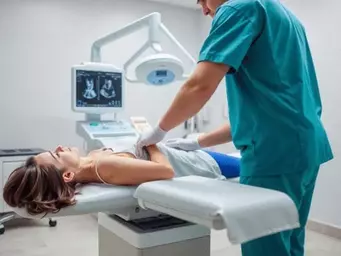
A biopsy is a medical procedure to collect a tissue sample for detailed analysis. It's essential for diagnosing conditions, particularly cancer, by examining cells under a microscope.
- Purpose: Determine if tissue is healthy or diseased.
- Outcome: Provides data for pathology report.
PROCESS STEP 2
Types of Biopsies
Different biopsy methods are used based on tissue location and nature, each with specific advantages for diagnosis.
- FNA: Thin needle for fluid/tissue.
- Core Needle: Larger needle for tissue core.
- Excisional: Surgical removal of entire abnormal area.
PROCESS STEP 3
The Pathologist's Role
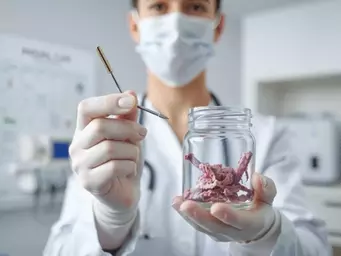
Specialized medical professionals, pathologists, examine tissue samples microscopically to identify cell characteristics. Their expertise is crucial for accurate diagnosis.
- Expert Analysis: Microscopic examination of cells.
- Guidance: Informs treatment decisions for oncologists.
PROCESS STEP 4
Pathology Report Explained
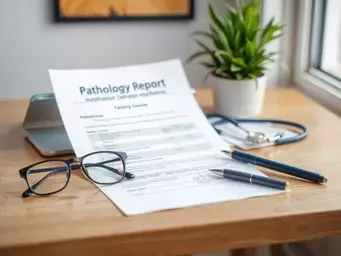
This document summarizes the pathologist's findings, detailing cell types, arrangement, and abnormalities. It's a vital tool for understanding your diagnosis and guiding treatment.
- Key Insights: Nature of sampled cells.
- Empowerment: Helps in making informed health decisions.
KEY ACTION
Empowering Yourself
Take an active role in understanding your report. Prepare questions for your doctor, track your journey, and don't hesitate to seek clarity.
- Review carefully.
- Prepare questions.
- Keep a health journal.
KEY ACTION
Seeking a Second Opinion
A second opinion can confirm diagnoses, reveal new treatment options, and provide peace of mind, ensuring confidence in your medical decisions.
- Confirms diagnosis.
- Reveals new options.
- Boosts confidence.
Decoding Your Pathology Report: What You Need to Know
When you receive a pathology report, it can feel overwhelming. What does it mean? How does it impact your health? At What Is A Biopsy, I aim to clarify your concerns about these reports. Simply put, a biopsy is a medical procedure where a small sample of tissue is taken from your body to be examined under a microscope. The pathology report is the document that details the findings from this examination, playing a crucial role in diagnosing conditions, including cancer. For more detailed information on understanding your report, you can refer to resources from reputable organizations like the American Cancer Society.

The purpose of a pathology report is to provide essential insights into the nature of the cells sampled. This information helps your healthcare team make informed decisions about your treatment options. Understanding this document can empower you to engage more actively in conversations about your health!
Understanding the Basics of Biopsy and Pathology Reports
At its core, a biopsy is a diagnostic tool that allows doctors to determine whether a suspicious area contains cancerous cells. Pathology reports will detail the type of cells present, their arrangement, and whether they exhibit abnormal characteristics. This detailed analysis is invaluable in the early detection and treatment of cancer. For further reading on deciphering these reports, Cancer.Net offers comprehensive guides.
- Biopsy Definition: A procedure to remove a tissue sample for analysis.
- Purpose: To assess whether tissue is healthy or contains disease.
- Pathology Report: A document summarizing the findings from the biopsy.
When you look at your pathology report, remember that it’s designed to provide clarity. Don't hesitate to ask your doctor about any terms or findings that seem unclear; I always encourage open communication with your healthcare provider!
Types of Biopsies: Choosing the Right Approach
There are several types of biopsies that may be performed depending on the location and nature of the tissue being examined. Here are the most common types:
- Fine Needle Aspiration (FNA): A thin, hollow needle is used to extract tissue or fluid.
- Core Needle Biopsy: A larger needle removes a core of tissue for analysis.
- Excisional Biopsy: A surgical procedure that removes an entire lump or area of abnormal tissue.
Each biopsy type has its own advantages and is chosen based on factors such as the tumor's location and size. Understanding these options can help you feel more in control during your diagnosis journey!
Who Creates Your Pathology Report and Why It Matters
Your pathology report is generated by a specialized medical professional known as a pathologist. After a biopsy, the tissue sample is sent to a laboratory where trained pathologists examine it microscopically. Their expertise is crucial in determining the nature of the cells, providing insights that guide your treatment.
Why does this matter? Pathologists play a key role in the diagnosis and management of diseases, including cancer. Their detailed reports help oncologists decide the best course of treatment. Understanding who is involved in this process can enhance your confidence in the care you’re receiving.
Pro Tip
Did you know? When reviewing your pathology report, consider bringing a trusted friend or family member along to your appointment. They can help take notes, ask questions, and provide emotional support as you discuss your findings with your healthcare provider. Having another set of ears can make a significant difference in comprehending the information presented!
Frequently Asked Questions About Pathology Reports
- What is a pathology report?
- A pathology report is a document detailing the findings from a biopsy, which involves examining a tissue sample under a microscope to diagnose conditions, especially cancer.
- Why is a biopsy necessary?
- A biopsy is crucial for diagnosing various conditions, particularly cancer, by allowing doctors to analyze tissue samples to determine if cells are healthy or diseased.
- What are the different types of biopsies?
- Common types include Fine Needle Aspiration (FNA) for fluid/tissue, Core Needle Biopsy for a tissue core, and Excisional Biopsy for surgical removal of an abnormal area.
- Who analyzes the biopsy samples and prepares the report?
- Specialized medical professionals called pathologists examine the tissue samples microscopically and prepare the detailed pathology report, which guides treatment decisions.
- How can I better understand my pathology report?
- You can empower yourself by carefully reviewing your report, preparing questions for your doctor, keeping a health journal, and actively discussing your findings with your healthcare provider.
- Why is a second opinion important for pathology reports?
- A second opinion can confirm your diagnosis, provide peace of mind, and potentially reveal new treatment options, ensuring you feel confident in your medical decisions.

Summarizing Your Pathology Report Journey
Understanding your biopsy results is more than just a step in the medical process—it's a vital part of your healthcare journey. Your pathology report holds key insights that can help you make informed decisions about your health. Grasping the information in this report is essential for navigating the next steps in your treatment or care.
By feeling empowered with knowledge, you can approach your healthcare provider with confidence, ready to discuss your diagnosis and any further questions you might have. Remember, this is your health, and being informed is a powerful tool!
Empowering Yourself with Knowledge
Taking control of your health starts with understanding your pathology report. I encourage you to proactively discuss your findings and treatment options with your doctor. Here are some steps you can take:
- Review your pathology report carefully, noting any terms or sections that are unclear.
- Prepare a list of questions to ask during your appointment.
- Consider keeping a health journal to track your symptoms, questions, and thoughts.
- Don't hesitate to seek clarification or ask for further explanations during your visit.
By being active in your healthcare discussions, you can ensure that you fully understand your options and make the best choices for your health.
Seeking Support: Connecting with Organizations
You're not alone on this journey! There are numerous organizations and support groups designed to assist patients like you. Connecting with others who are experiencing similar situations can provide emotional support and practical advice. Here are a few reputable organizations to consider:
- American Cancer Society: Offers support networks and educational resources for cancer patients.
- Breast Cancer Research Foundation: Provides information and support specifically for breast cancer patients. You can find valuable resources on understanding your pathology report, particularly for breast cancer, at BreastCancer.org.
- National Coalition for Cancer Survivorship: Focuses on cancer survivorship and offers various resources.
Reaching out to these organizations can help you feel more supported and informed as you navigate your health journey.
The Importance of Second Opinions in Pathology
Never underestimate the value of a second opinion! Seeking a second opinion can be a crucial step in ensuring that you receive accurate diagnoses and appropriate treatment plans. Here are some reasons why it's beneficial:
- It can confirm your diagnosis and provide peace of mind.
- A second opinion might reveal new treatment options or approaches.
- It allows you to feel more confident in the decisions you make regarding your care.
Remember, your health and peace of mind are paramount. Don't hesitate to pursue a second opinion if you feel it would be beneficial for your situation!
Recap of Key Points
Here is a quick recap of the important points discussed in the article:
- Biopsy Overview: A biopsy is a procedure to obtain a tissue sample for examination, crucial for diagnosing conditions like cancer.
- Pathology Report Insights: The report details cell types and their characteristics, helping guide treatment decisions.
- Types of Biopsies: Common types include Fine Needle Aspiration, Core Needle Biopsy, and Excisional Biopsy, each with unique advantages.
- Role of Pathologists: Pathologists analyze biopsy samples and provide essential insights that influence treatment plans.
- Importance of Communication: Engage openly with your healthcare provider about your report and treatment options for clarity.
- Support Networks: Connect with organizations like the American Cancer Society for additional resources and emotional support.
- Value of Second Opinions: Always consider seeking a second opinion to ensure accurate diagnoses and treatment options.