Have you ever wondered how medical professionals get crucial insights into your health? A lymph node biopsy is one of those essential procedures that can shed light on hidden issues. This article delves into its importance and the various reasons it may be performed.
What You Will Learn
- Lymph node biopsies are primarily used to detect cancer and assess its extent in the body.
- The procedure helps identify infections and other abnormalities in enlarged lymph nodes.
- Understanding the stages of cancer can guide treatment decisions based on biopsy results.
- Pathologists play a crucial role in interpreting biopsy results, affecting diagnosis and future care plans.
Understanding the Lymph Node Biopsy Process
A lymph node biopsy is a key diagnostic procedure. This visual breaks down its primary purposes and how it aids in cancer staging, highlighting its crucial role in medical diagnosis and treatment planning.

Primary Purpose:Key Reasons for Biopsy
- Cancer Detection: Most common reason.
- Extent of Cancer: Helps with staging.
- Infection Diagnosis: Identifies diseases like TB.
- Treatment Monitoring: Assesses effectiveness.
Impact on Treatment:Cancer Staging Aid
- Stage I: Localized cancer, often surgery.
- Stage II: Spread to nearby nodes.
- Stage III: Extensive spread, advanced treatment.
- Stage IV: Metastasized to distant organs.
Understanding Lymph Node Biopsy: Purpose and Importance
When we think about health and wellness, the lymph nodes often don't get the attention they deserve. A lymph node biopsy is a crucial procedure that helps us understand what’s happening beneath the surface. Simply put, this biopsy allows doctors to examine lymph nodes for signs of disease, particularly cancer. But why is it performed? Let’s break it down!
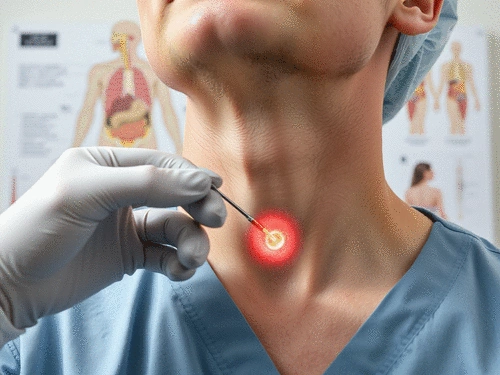
A lymph node biopsy involves the removal of a small tissue sample from a lymph node to check for abnormalities. This procedure can reveal whether cancer is present and helps determine the best course of action for treatment. Think of it as a detective work that provides essential clues about your health!
What is a Lymph Node Biopsy and Why Is It Performed?
A lymph node biopsy is performed to investigate enlarged or suspicious lymph nodes. These nodes are part of our immune system and can swell when fighting infections or, in some cases, due to cancer. By examining the tissue, healthcare providers can pinpoint the cause of the swelling.
- Detecting cancer: This is the most common reason for a lymph node biopsy.
- Assessing the extent of cancer: It helps in staging the disease.
- Understanding infections: Sometimes, biopsies can reveal infectious diseases like tuberculosis.
As a pathologist, I often see how important this biopsy is for patients seeking clarity about their health. It not only aids in diagnosis but also offers peace of mind through informed decision-making.
Common Reasons for a Lymph Node Biopsy in Cancer Diagnosis
There are several common reasons why a lymph node biopsy is recommended, particularly in the context of cancer. Below are a few of the most frequent scenarios:
- Unexplained swelling: If a lymph node is enlarged without a clear reason, further investigation is needed.
- Known cancer: When a patient has a history of cancer, lymph node biopsies can check for metastasis.
- Monitor treatment response: These biopsies help assess how well a treatment is working.
Understanding these reasons can empower you to ask the right questions and engage actively in your healthcare journey. At What Is A Biopsy, we aim to demystify these processes so you can face them with confidence!
How Lymph Node Biopsy Aids in Staging Lymphoma and Other Cancers
Staging is an essential aspect of cancer treatment planning. A lymph node biopsy provides critical information on whether cancer has spread beyond its original site. This process helps doctors determine the stage of cancer, which influences treatment decisions. For instance, in cases of breast cancer, a sentinel lymph node biopsy can effectively identify if cancer cells have spread to the first lymph nodes that drain from the tumor, as discussed in this Journal of Clinical Oncology article. Similarly, lymph node evaluation is pivotal for accurate staging and personalized treatment in other cancers, which is further elaborated in this research on lymphoma staging in JAMA Oncology. Moreover, the role of lymph node biopsies extends to understanding the prognosis and guiding therapeutic strategies, highlighted by a study on lymph node status in early-stage cervical cancer.
- Stage I: Cancer is localized, often treatable with surgery.
- Stage II: Cancer may have spread to nearby nodes.
- Stage III: More extensive spread, requiring advanced treatment options.
- Stage IV: Cancer has metastasized to distant organs.
Each stage presents different treatment routes. A biopsy can be the key that unlocks this understanding, guiding a personalized approach to your healthcare plan.
The Role of Pathology in Interpreting Lymph Node Biopsy Results
Once a lymph node biopsy is performed, the tissue sample is sent to a pathologist (that’s me!). My role is to analyze the sample under a microscope to look for abnormal cells. This interpretation is vital for diagnosis and treatment planning.
- Identifying cancer types: Different cancers require different treatment strategies.
- Assessing tumor grade: This helps determine how aggressive the cancer is.
- Providing prognosis: Understanding the likely course of the disease based on the findings.
This stage can feel overwhelming for many patients, but it’s an essential part of the journey. My goal is to provide clear, compassionate feedback that demystifies the results and helps guide your next steps.
Pro Tip
Did you know? Preparing for your lymph node biopsy can significantly enhance your experience and outcomes. Ensure you follow your healthcare provider’s pre-procedure instructions carefully, such as fasting or adjusting medications. Additionally, jot down any questions or concerns you have ahead of time, as this can help you feel more in control and informed during your consultation!
Frequently Asked Questions About Lymph Node Biopsies
- Q: What is the primary purpose of a lymph node biopsy?
- A: The primary purpose is to detect cancer, assess its spread (staging), diagnose infections like tuberculosis, and monitor the effectiveness of cancer treatments.
- Q: How does a lymph node biopsy help in cancer staging?
- A: A lymph node biopsy provides crucial information about whether cancer cells have spread from the original site to the lymph nodes. This helps doctors determine the stage of cancer (Stage I, II, III, or IV), which is vital for planning appropriate treatment.
- Q: What are the common reasons a doctor might recommend a lymph node biopsy?
- A: Common reasons include unexplained swelling of a lymph node, checking for metastasis in patients with a history of cancer, and monitoring how well cancer treatment is working.
- Q: What role does a pathologist play in the lymph node biopsy process?
- A: A pathologist analyzes the tissue sample under a microscope to identify abnormal cells, including cancer cells. They determine the type and grade of cancer, which helps in diagnosis, prognosis, and treatment planning.
- Q: What should I ask my healthcare provider before a lymph node biopsy?
- A: You should ask about the specific type of biopsy, the reasons for choosing that method, preparation instructions, potential risks and benefits, and when and how you will receive your results.
Summary of Key Points on Lymph Node Biopsy
As we wrap up our exploration of lymph node biopsies, it’s essential to highlight the key aspects we’ve discussed. A lymph node biopsy is a crucial tool for understanding various health conditions, especially in the context of cancer diagnosis and treatment. It helps in determining the presence of cancer cells and can inform treatment decisions. Here’s a quick recap of the main purposes, types, and what patients commonly experience:
- Purpose: To diagnose cancer, evaluate lymphatic diseases, and understand the extent of disease spread.
- Types: Excisional, incisional, and needle biopsies, each serving different diagnostic needs.
- Patient Experience: Preparation and post-procedure care are vital for a smooth recovery.
Each point plays a significant role in demystifying the biopsy process, ultimately aiming to alleviate any anxiety you might feel. Remember, knowledge is power, and understanding these facets will help you navigate your healthcare journey with confidence!
Taking the Next Steps: Consultation and Further Resources
Consulting Your Healthcare Provider: Questions to Ask
When it comes to your health, asking the right questions can make all the difference! If you’re facing a lymph node biopsy, I encourage you to engage openly with your healthcare provider. Here are some important questions you might consider asking:
- What specific type of biopsy will I be having?
- What are the reasons for choosing this method over others?
- How should I prepare for the procedure?
- What are the potential risks and benefits related to my situation?
- When can I expect my results and how will they be communicated?
These questions can help clarify any uncertainties and ensure you feel well-informed about the procedure. As your guide through this process, I'm here to support you every step of the way!
Helpful Resources for Patients Facing a Lymph Node Biopsy
In addition to consulting with your healthcare provider, I recommend exploring some valuable resources that can enhance your understanding of lymph node biopsies. Here are a few that I find particularly helpful:
- What Is A Biopsy: Our website offers comprehensive articles that break down complex topics into easy-to-understand information.
- The American Cancer Society: This organization provides reliable cancer-related resources, including information on biopsies.
- Online Support Groups: Connecting with others who have gone through similar experiences can provide emotional support and reassurance.
Utilizing these resources can empower you to make informed decisions while easing any lingering concerns.
Follow-Up Appointments: What to Expect After Your Biopsy
After your lymph node biopsy, follow-up appointments are crucial for monitoring your recovery and discussing results. Typically, here’s what you can expect:
- A scheduled visit within a week or two to discuss your biopsy results.
- Assessment of any discomfort or complications that may have arisen.
- A chance to review treatment options if a diagnosis is made.
These appointments are an opportunity for you to voice any questions or concerns. Remember, you’re not alone on this journey. At What Is A Biopsy, we’re dedicated to helping you navigate your health with clarity and confidence! I’m here to help you understand what’s next and ensure you feel supported throughout this process.
Recap of Key Points
Here is a quick recap of the important points discussed in the article:
- Purpose: A lymph node biopsy is essential for diagnosing cancer, assessing lymphatic diseases, and understanding disease spread.
- Types: Different biopsy methods include excisional, incisional, and needle biopsies, each tailored for specific diagnostic needs.
- Patient Experience: Proper preparation and understanding of post-procedure care are crucial for a smooth recovery.
- Staging Cancer: The biopsy helps determine the stage of cancer, which is vital for treatment planning.
- Pathologist's Role: Interpretation of biopsy results by a pathologist aids in identifying cancer types and assessing tumor aggressiveness.