
What if your nutrition could significantly enhance your recovery after a medical procedure? The right dietary choices can play a pivotal role in how your body responds to a biopsy, making it essential to understand what to include in your pre-procedure meal plan.
What You Will Learn
- Significance of nutrition in supporting recovery after a biopsy procedure.
- Essential nutrients, including protein and carbohydrates, for optimal body function during recovery.
- Top food choices to enhance protein intake, such as lean meats, fish, and legumes.
- Importance of hydration and its role in maintaining bodily functions pre- and post-biopsy.
- Strategies for involving family in meal planning to foster emotional support during recovery.
- Benefits of consulting healthcare professionals for personalized dietary recommendations.
Key Nutritional Strategies for Biopsy Preparation
Optimizing your diet with key nutrients before a biopsy supports recovery and overall well-being. Below are the essential components.
High-Protein Diets
Essential for tissue repair and healing after the procedure. Supports a strong foundation for recovery.
- Lean Meats: Chicken, Turkey
- Fish: Salmon, Trout
- Legumes & Nuts: Beans, Lentils, Seeds
Carbohydrates for Energy
Primary energy source for the body, especially during stress. Supports immune function pre-biopsy.
- Whole Grains: Brown Rice, Quinoa
- Breads: Whole Grain Bread
- Cereals: Oats
Critical Hydration
Maintains body functions, especially under stress. Aids in nutrient transport and overall well-being.
- Water: Aim for 8 glasses daily
- Fruits: Cucumbers, Oranges
- Vegetables: Strawberries
Nutritional Strategies for Effective Biopsy Preparation
When preparing for a biopsy, it’s crucial to understand that nutrition plays a significant role in how your body responds to the procedure. A biopsy involves taking a sample of tissue for examination, and being well-nourished can support your overall health and recovery. In this section, we'll explore how to optimize your nutritional intake before the procedure to help you feel your best!
Understanding Biopsy Procedures and Their Nutritional Demands
Every biopsy type—whether it’s a needle biopsy or a surgical one—can place specific demands on your body. The process may cause some stress, which means your body needs the right nutrients to cope efficiently. Good nutrition not only supports your immune system but also helps in tissue repair and energy maintenance during the recovery phase. For example, after an endoscopy, a diet focusing on soft, easily digestible foods can significantly aid recovery and reduce discomfort.
As you prepare for your biopsy, think of nutrition as a tool to enhance your body's natural defenses. Staying informed about what foods to include can alleviate some anxiety and pave the way for a smoother experience.
Essential Nutrients for Pre-Biopsy Preparation
High-Protein Diets for Tissue Repair
One of the most important nutritional strategies is increasing your protein intake before the procedure. Foods rich in protein, such as lean meats, fish, and legumes, are essential for tissue repair and healing. This is vital because your body will need a strong foundation to recover from the biopsy. For specific guidance on recovery, resources like those for image-guided breast biopsies often emphasize protein intake for optimal healing.
Consider incorporating protein-rich snacks into your meals, like Greek yogurt or a handful of nuts. These foods not only help with recovery but also keep you feeling full and satisfied!
Carbohydrates for Energy and Immunity
Don't forget about carbohydrates! They are your body's primary energy source, especially during times of stress. Whole grains, such as brown rice and quinoa, provide sustained energy and support your immune function. Including healthy carbohydrates in your diet ensures you have the strength needed for both the biopsy and the recovery that follows.
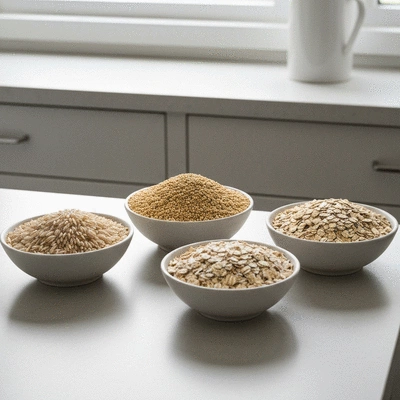
- Brown rice
- Quinoa
- Whole grain bread
- Oats
These foods not only give you energy but also help maintain stable blood sugar levels, which is especially important during the days leading up to your biopsy.
Foods to Emphasize Before a Biopsy
Top Sources of Protein and Nutrients
As you prepare for your biopsy, focusing on specific foods can make a big difference. Here are some top sources of protein and nutrients to consider:
- Chicken and turkey
- Fish, especially salmon and trout
- Eggs
- Beans and lentils
- Nuts and seeds
Including these foods in your diet not only supports your body's healing process but also provides essential vitamins and minerals that promote overall well-being. For instance, after a kidney biopsy, maintaining a balanced diet with these nutrients is crucial for recovery.
Hydration: A Critical Component
Staying hydrated is another key aspect of preparing for your biopsy. Water plays a crucial role in maintaining your body’s functions, especially during stressful times. Aim to drink at least 8 glasses of water a day, and consider adding electrolyte-rich beverages if you feel fatigued.

Incorporating fruits and vegetables with high water content—like cucumbers, oranges, and strawberries—can also boost your hydration levels while providing vital nutrients. Remember, being well-hydrated can help your body perform its best leading up to the procedure!
We Want to Hear From You!
As you consider your nutritional strategies for biopsy preparation, what aspect do you find most challenging? Share your thoughts below:
Frequently Asked Questions About Biopsy Preparation Nutrition
- Q: Why is nutrition important before a biopsy?
- A: Proper nutrition before a biopsy is crucial because it helps prepare your body for the procedure, supports your immune system, aids in tissue repair, and provides the necessary energy for recovery.
- Q: What are the most important nutrients to focus on?
- A: The most important nutrients to focus on are protein for tissue repair, carbohydrates for energy and immune function, and water for critical hydration.
- Q: What foods are good sources of protein before a biopsy?
- A: Good sources of protein include lean meats (chicken, turkey), fish (salmon, trout), eggs, legumes (beans, lentils), and nuts and seeds.
- Q: How much water should I drink before my biopsy?
- A: Aim to drink at least 8 glasses of water daily. You can also boost hydration by consuming fruits and vegetables with high water content, such as cucumbers, oranges, and strawberries.
- Q: Should I consult a healthcare professional for dietary advice?
- A: Yes, it is highly recommended to consult with healthcare professionals for personalized dietary recommendations, as individual needs can vary based on the type of biopsy and overall health conditions.
Summarizing Nutritional Insights for Biopsy Care
As we consider the journey through biopsy preparation and recovery, it's crucial to wrap up some key insights on nutrition. Both pre- and post-biopsy diets play significant roles in your overall health and recovery experience. By focusing on nutritional therapy, you not only support your body but also empower yourself to feel more in control during this process.
Prioritizing protein, carbohydrates, and hydration before your biopsy sets a solid foundation. Afterward, embracing soft, healing foods enriched with vital vitamins and minerals can significantly enhance your recovery. Remember, the choices you make regarding nutrition can profoundly impact not just your healing but also your emotional well-being, and I encourage you to take these insights to heart!
Encouraging a Proactive Approach to Recovery
It’s essential to maintain good nutrition as a part of your overall health management during biopsy recovery. This proactive approach includes involving your family in meal planning and preparation, which can provide emotional support and ensure you have the right foods on hand. Here are a few strategies to encourage a healthy recovery:
- Plan meals that incorporate soft, nutrient-dense foods like smoothies, soups, and mashed fruits.
- Engage family members in preparing meals together, creating a supportive atmosphere.
- Keep healthy snacks readily available to encourage consistent nourishment throughout the day.
Being proactive about your nutrition not only aids in healing but can also foster a sense of community and support as you navigate through this experience. When you take charge of your diet, you empower yourself to focus on recovery and wellness.
Consulting with Healthcare Professionals
As you embrace these nutritional insights, I strongly encourage you to seek personalized advice from healthcare professionals. Each individual's dietary needs can vary significantly based on multiple factors, including the type of biopsy and overall health conditions. Consulting with your healthcare provider allows you to:
- Receive tailored dietary recommendations that align with your specific medical guidelines.
- Address any unique health concerns or dietary restrictions you might have.
- Ensure that your nutritional plan supports your recovery effectively and safely.
Connecting with professionals who understand your situation can help alleviate any uncertainty and enhance your confidence during this time. Remember, you’re not alone in this journey, and seeking support is a vital part of your recovery process.
Recap of Key Points
Here is a quick recap of the important points discussed in the article:
- Prioritize a high-protein diet to support tissue repair before a biopsy.
- Incorporate healthy carbohydrates to maintain energy and stabilize blood sugar levels.
- Stay hydrated by drinking plenty of water and consuming water-rich fruits and vegetables.
- Focus on soft, nutrient-dense foods during the recovery phase to aid healing.
- Consult with healthcare professionals for personalized dietary recommendations tailored to your needs.