Muscle and nerve biopsies can seem daunting, but understanding their significance is essential for anyone facing potential neuromuscular disorders. These procedures not only provide clarity on health conditions but also empower patients to take charge of their healthcare journey.
What You Will Learn
- Muscle and nerve biopsies are vital for diagnosing conditions like myopathies and neuropathies.
- These biopsies can differentiate between various neuromuscular disorders, aiding in effective treatment plans.
- Understanding the biopsy process helps reduce patient anxiety and fosters informed decision-making.
- Early intervention, prompted by symptoms, can significantly impact health outcomes related to neuromuscular disorders.
Key Contributions of Muscle and Nerve Biopsies in Neuromuscular Diagnostics
Muscle and nerve biopsies are critical for diagnosing and managing various neuromuscular disorders. They provide vital insights into disease mechanisms, guide treatment, and help monitor progression, empowering patients with informed healthcare decisions.
Diagnostic Clarity
Biopsies differentiate disorders like muscular dystrophy vs. inflammatory myopathies, and pinpoint if issues are muscle or nerve-specific.
Treatment Guidance
Results inform tailored treatment plans, addressing specific patient needs and improving management of neuromuscular disorders.
Disease Monitoring
Biopsies provide insights into disease progression, aiding in ongoing monitoring and adjustment of treatment strategies over time.
Empowered Decisions
Clear biopsy results empower patients and families to make informed healthcare choices with confidence and understanding.
Understanding Muscle and Nerve Biopsies: A Comprehensive Overview
When we talk about biopsies, the terms "muscle" and "nerve" often come up, and it’s easy to feel a bit lost. Muscle and nerve biopsies are specialized procedures that allow us to gather crucial information about the tissues in these areas. By taking small samples, doctors can identify various health issues that might be affecting how our muscles and nerves function. This can lead to a clearer understanding of a patient's condition and help guide treatment decisions.
In the world of diagnostics, muscle and nerve biopsies play an essential role. They are not just routine procedures; they provide vital insights into the workings of our body. As someone who has spent years in clinical practice, I can assure you that understanding the purpose behind these biopsies can significantly reduce anxiety for patients and their families.

What Are Muscle and Nerve Biopsies?
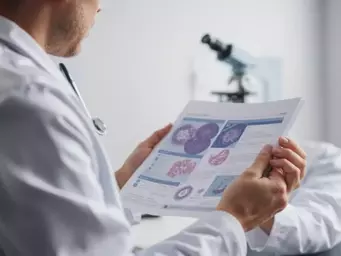
Muscle and nerve biopsies involve the extraction of small tissue samples from muscle or nerve fibers. These samples are then examined under a microscope to identify any abnormalities. This process is pivotal in diagnosing conditions like myopathies or neuropathies, where muscle and nerve functions are compromised. The outcomes can lead to tailored treatment plans that address the specific needs of patients.
- Muscle Biopsy: A small piece of muscle tissue is removed, often from a thigh or upper arm. For a deeper understanding of how muscle biopsies contribute to diagnostics, you can refer to this insightful study on muscle pathology.
- Nerve Biopsy: A segment of a nerve, typically from the skin or a deeper location, is collected for analysis.
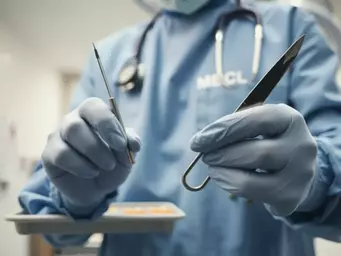
Both types of biopsies require skilled practitioners to ensure accuracy and patient comfort. Techniques vary, but the goal remains the same: to obtain samples that can provide a wealth of information about neuromuscular health.
The Importance of Muscle and Nerve Biopsies in Diagnosing Neuromuscular Disorders
Muscle and nerve biopsies are crucial for diagnosing a range of neuromuscular disorders. These conditions can manifest in various ways, including weakness, pain, and loss of function. By conducting biopsies, we can pinpoint the underlying issues, making them vital for timely and effective treatment.
- They help differentiate between various disorders like muscular dystrophy and inflammatory myopathies.
- Biopsies can reveal whether the problem lies within the muscle or the nerve itself.
- They provide insights into the progression of diseases, aiding in monitoring and adjusting treatments.
For more information on the diagnostic utility of these procedures, an article on molecular testing for neuromuscular disorders highlights their growing importance in clinical practice. In my practice, I’ve seen firsthand how these biopsies can transform a patient’s journey. The clarity they provide helps patients and families feel more empowered about their healthcare choices.
Common Neuromuscular Disorders Identified Through Biopsies
Several neuromuscular disorders can be effectively diagnosed through muscle and nerve biopsies. Some of the most common include:
- Muscular Dystrophies: A group of genetic disorders characterized by progressive muscle degeneration.
- Myositis: An inflammatory condition affecting the muscles, leading to weakness.
- Neuropathies: Conditions affecting the nerves, which can cause pain, weakness, and sensory changes.
- Vasculitis: Inflammation of blood vessels that can impact muscle and nerve health.
Recognizing these disorders early can lead to better management and improved patient outcomes. Through my experiences with What Is A Biopsy, I always emphasize how understanding these conditions paves the way for informed decision-making.
Engagement Question
Have you or a loved one ever undergone a muscle or nerve biopsy? How did you feel about the process, and what questions do you still have? Share your experience or thoughts below:
Frequently Asked Questions (FAQs)
- Q1: What is the primary purpose of muscle and nerve biopsies?
- A1: Muscle and nerve biopsies are primarily used to diagnose various neuromuscular disorders by allowing doctors to examine small tissue samples for abnormalities. This helps differentiate conditions and guide treatment plans.
- Q2: What types of conditions can be diagnosed using these biopsies?
- A2: These biopsies can diagnose a range of conditions, including muscular dystrophies, myositis, neuropathies, and vasculitis, which affect muscle and nerve function.
- Q3: How do muscle and nerve biopsies differ?
- A3: A muscle biopsy involves removing a small piece of muscle tissue (often from the thigh or upper arm), while a nerve biopsy involves collecting a segment of a nerve (typically from the skin or a deeper location).
- Q4: What are the benefits of early diagnosis through biopsies?
- A4: Early diagnosis through biopsies leads to tailored treatment plans, better management of the condition, improved patient outcomes, and empowers patients and families to make informed healthcare decisions.
- Q5: When should someone consider discussing a muscle or nerve biopsy with their healthcare provider?
- A5: You should discuss a biopsy with your healthcare provider if you experience persistent or worsening muscle weakness, elevated Creatine Kinase (CK) levels, or unexplained neurological symptoms.
Summarizing the Importance of Muscle and Nerve Biopsies
As we conclude our exploration of muscle and nerve biopsies, it’s essential to highlight their significance in diagnosing various neuromuscular disorders. These procedures not only provide vital diagnostic information but also guide treatment options and help monitor disease progression. Understanding when these biopsies are indicated, how they are performed, and what the results mean can empower patients and families to navigate their healthcare choices more effectively. For further reading on the broader impact of biopsies in understanding human physiology, consider this article on muscle metabolism and exercise adaptation.

Here are a few key takeaways regarding muscle and nerve biopsies:
- Biopsies are crucial for diagnosing conditions like myopathy and neuropathy.
- Different biopsy techniques may be chosen based on the patient's specific needs.
- Interpreting results requires an understanding of histopathology and the potential for variability.
Ultimately, muscle and nerve biopsies play a pivotal role in the accurate diagnosis and management of neuromuscular disorders, allowing healthcare providers to offer tailored treatment plans.
Final Thoughts on the Clinical Relevance of Biopsies in Neuromuscular Diagnostics
In my experience as a board-certified pathologist, I’ve seen firsthand how muscle and nerve biopsies can transform patient care. These procedures not only provide clarity in complex cases but also serve as a bridge to understanding the intricacies of neuromuscular diseases. They can offer reassurance to patients and families, equipping them with the knowledge necessary to make informed decisions about their health.
Additionally, muscle and nerve biopsies can significantly impact patient outcomes. They enable physicians to distinguish between various disorders and tailor specific treatment approaches, ensuring that each patient receives the most effective care possible.
Your Next Steps: Consultation and Considerations
When to Seek Expert Advice for Muscle and Nerve Biopsies
If you or a loved one is experiencing symptoms such as unexplained muscle weakness or sensory changes, it may be time to consult a healthcare provider. Early intervention can be crucial, and seeking expert advice is the first step in determining whether a muscle or nerve biopsy is necessary.
Here are some signs that you should discuss a biopsy with your healthcare provider:
- Persistent or worsening muscle weakness
- Elevated Creatine Kinase (CK) levels
- Unexplained neurological symptoms
Bringing these symptoms to your healthcare provider's attention can lead to a timely evaluation and appropriate management.
Resources for Patients and Clinicians: Understanding the Process
At What Is A Biopsy, we strive to provide comprehensive resources that help demystify the biopsy process. Our website features a wealth of information, including articles and animations that explain the various biopsy types and what patients can expect before, during, and after the procedure. Whether you are a patient or a clinician, these resources can enhance your understanding and facilitate better communication.
Preparing for Your Biopsy: Patient Education and Guidelines
Preparation can significantly influence your biopsy experience. Patients should be well-informed about the procedure and follow any pre-procedure instructions from their healthcare providers. Here are a few general guidelines to help you prepare:
- Discuss any medications you are taking with your doctor.
- Follow fasting instructions if required.
- Write down questions or concerns to bring up with your healthcare team.
Taking these steps can help alleviate anxiety and ensure that you feel confident and prepared on the day of your biopsy. Remember, knowledge is key, and understanding the process is an essential part of your healthcare journey!
Recap of Key Points
Here is a quick recap of the important points discussed in the article:
- Muscle and nerve biopsies are essential for diagnosing neuromuscular disorders, providing critical insights into muscle and nerve health.
- These procedures involve extracting small tissue samples for analysis, helping to determine the underlying causes of symptoms like weakness and pain.
- Common conditions diagnosed through biopsies include muscular dystrophies, myositis, and neuropathies.
- Understanding the biopsy process and its implications can empower patients and families to make informed healthcare decisions.
- Early consultation with healthcare providers is crucial for addressing concerning symptoms and determining the need for a biopsy.