
What if taking one small step could lead to profound insights about your health? Understanding biopsy procedures can significantly reduce anxiety and empower you to advocate for your health. Let’s explore the essential lessons you’ll learn!
What You Will Learn
- Biopsies provide definitive diagnoses, guiding treatment decisions and monitoring effectiveness.
- Different biopsy types, such as skin, breast, muscle, and lung biopsies, have unique procedures and purposes.
- Pathology reports offer crucial insights into tissue samples, helping to identify abnormal cells.
- Preparation is key; following your doctor’s guidelines can significantly enhance your biopsy experience.
- Understanding medication restrictions before a biopsy is essential for a safe procedure.
- Wearing comfortable clothing and preparing specific instructions for different biopsy types can ease anxiety on the procedure day.
- Engaging with your healthcare provider fosters a supportive relationship and enhances your understanding of the process.
- Accessing educational resources and connecting with support networks can empower you during this journey.
Biopsy Procedure Stages and Key Considerations
Understanding the biopsy process involves distinct stages and crucial aspects at each step. This visual outlines the progression from diagnosis to recovery, highlighting vital elements for patient empowerment.
What is a Biopsy?
- ✓ Definitive diagnosis
- ✓ Guides treatment
- ✓ Monitors effectiveness
Crucial for accurate diagnosis and ongoing health management.
Types of Biopsies
- • Skin, Breast
- • Muscle, Lung
- • Needle, Surgical
Each tailored to specific areas and conditions.
Pathology Reports
- ● Tissue type
- ● Disease/abnormal cells
- ● Recommendations
Detailed analysis for informed treatment decisions.
Preparation Guidelines
- ☑ Fasting requirements
- ☑ Medication list
- ☑ Transportation (if sedated)
Ensuring a smooth and accurate procedure.
Understanding Biopsy Procedures and Preparation
When you hear the term biopsy, it can stir up a lot of questions and perhaps a little anxiety. But let’s take a moment to demystify it! A biopsy is a medical procedure that involves taking a small sample of tissue from your body to be examined for signs of disease. This simple step is crucial in helping your healthcare team make informed decisions about your treatment. Understanding what a biopsy entails can significantly reduce your worries and empower you to advocate for your health.
At What Is A Biopsy, we are dedicated to providing you with clear, compassionate information about biopsy procedures. Knowing what to expect—before, during, and after—will help you navigate this process with confidence. So, let’s dive into the specifics!
What is a Biopsy and Why is It Important?
A biopsy is essential in diagnosing various conditions, including cancers and infections. It allows doctors to look at tissue samples under a microscope, providing insights that imaging tests alone cannot deliver. This information is vital for determining the best course of action for your health. So, why is it important? Here are some key reasons:
- Provides definitive diagnosis of medical conditions
- Guides treatment decisions
- Monitors the effectiveness of ongoing treatment
By understanding the importance of a biopsy, you can approach your procedure with the knowledge that it’s a proactive step in managing your health. For more detailed information on biopsies, you can refer to resources like RadiologyInfo.org, which offers comprehensive insights into various biopsy procedures.
Types of Biopsies: Skin, Breast, Muscle, and Lung
Biopsies come in various types, each tailored to the specific area of concern. Here’s a quick overview of some common biopsy types:
- Skin Biopsy: Often performed to diagnose skin conditions.
- Breast Biopsy: Used to evaluate suspicious lumps or masses in breast tissue. For instance, Memorial Sloan Kettering Cancer Center provides information on procedures like ultrasound-guided breast biopsies.
- Muscle Biopsy: Helps diagnose muscle disorders.
- Lung Biopsy: Assists in investigating lung infections or tumors.
Each biopsy type has its own set of procedures and purposes, so it’s essential to discuss the specifics with your healthcare provider. This will ensure you feel prepared and informed about what’s ahead.

The Role of Pathology Reports in Diagnosing Conditions
After your biopsy, the tissue sample is sent to a pathologist for examination. The resulting pathology report is critical as it contains detailed information about the tissue that was analyzed. This report will help your doctor understand whether there are any abnormal cells present. Here’s what a pathology report typically includes:
- Type of tissue sampled
- Presence of disease or abnormal cells
- Additional recommendations or findings
Receiving the results can feel nerve-wracking, but understanding the role of the pathology report can help you grasp the next steps in your healthcare journey.
Essential Steps for Preparing for Your Biopsy
Preparation for your biopsy is crucial! It not only helps ensure the accuracy of the results but also makes you feel more at ease during the procedure. Here are some essential steps to consider as you get ready for your biopsy.
General Preparation Guidelines for All Biopsies
No matter what type of biopsy you are having, there are some general guidelines that apply. Here’s what you should keep in mind:
- Follow any fasting requirements as instructed by your doctor.
- Bring a list of medications you are currently taking.
- Make arrangements for someone to drive you home if sedation is involved.
These steps can make a significant difference in your experience, so take the time to prepare well in advance!
Medication Restrictions: What to Avoid Before Your Biopsy
Before your biopsy, it’s vital to know which medications might need to be adjusted or avoided. Common restrictions include:
- Aspirin and anti-inflammatory medications should be avoided as they can increase bleeding risk.
- Blood thinners may also need to be managed—talk to your doctor about this.
Understanding these restrictions will help you feel more in control and prepared.
Clothing and Hygiene Tips for Your Biopsy Day
On the day of your biopsy, wearing comfortable clothing is key! Here are a few tips to keep in mind:
- Choose loose-fitting clothes for ease during the procedure.
- Wear something that allows easy access to the biopsy site.
- Consider wearing an old shirt if you’re having a skin biopsy, as some procedures may involve numbing agents that can stain.
Following these simple clothing tips can make your experience much smoother.
Specific Preparation for Different Biopsy Types
Now, let’s break down the preparations needed for specific types of biopsies. Each type has unique requirements that are important to follow.
Skin Biopsy: Step-by-Step Instructions
For a skin biopsy, here are the steps you should follow:
- Clean the skin area as instructed by your doctor.
- Do not apply any lotions or creams on the biopsy site.
- Dress in comfortable clothing for ease of access.
These steps will help ensure that the area is ready and that the procedure goes as planned.
Breast Biopsy: Special Considerations and Preparation
Preparing for a breast biopsy may include:
- Scheduling your biopsy at a time when your menstrual cycle is least impacting your breast tissue.
- Avoiding caffeine a few days prior, as it may affect breast tenderness.
Taking these considerations into account can enhance your comfort during the procedure.
Muscle Biopsy: Key Steps and Precautions
For a muscle biopsy, keep in mind:
- Discuss any muscle-related symptoms with your doctor beforehand.
- Follow instructions on medication restrictions closely.
These precautions can help ensure the biopsy is informative and effective.
Needle Biopsy: Fasting Requirements and Anesthesia Information
If you’re having a needle biopsy, it’s important to:
- Follow fasting instructions, especially if sedation or anesthesia is involved.
- Clarify with your doctor about the type of anesthesia used. The Mayo Clinic offers insights into needle biopsies, including preparation and what to expect.
Being clear on these details can help ease your mind as you prepare for your procedure.
Surgical Biopsy: Understanding the Procedure and Recovery
For a surgical biopsy, you should consider:
- Arranging for post-procedure transportation.
- Preparing for a recovery period, which may include rest and follow-up appointments.
Understanding what to expect will help you feel more confident going into your surgery.
Pro Tip
Did you know? Engaging in a calming activity, such as deep breathing or meditation, before your biopsy can significantly reduce anxiety. Taking a few moments to center yourself can help create a more positive experience on the day of your procedure.
Frequently Asked Questions About Biopsies
Q1: What is the primary purpose of a biopsy?
A: The primary purpose of a biopsy is to provide a definitive diagnosis of medical conditions, such as cancers and infections, by examining tissue samples under a microscope. This helps guide treatment decisions and monitor the effectiveness of ongoing treatment.
Q2: What are some common types of biopsies?
A: Common types of biopsies include skin biopsies (for skin conditions), breast biopsies (for suspicious breast tissue), muscle biopsies (for muscle disorders), and lung biopsies (for lung infections or tumors). Each type is tailored to a specific area of concern.
Q3: What information does a pathology report contain?
A: A pathology report typically includes the type of tissue sampled, the presence of disease or abnormal cells, and any additional recommendations or findings. This detailed analysis helps doctors make informed treatment decisions.
Q4: What should I do to prepare for a general biopsy?
A: General preparation guidelines include following fasting requirements, bringing a list of all current medications, and arranging for transportation if sedation is involved. It's also important to discuss any medication restrictions with your doctor.
Q5: Are there any specific clothing recommendations for a biopsy?
A: Yes, it's recommended to wear comfortable, loose-fitting clothing that allows easy access to the biopsy site. For skin biopsies, wearing an old shirt might be advisable as numbing agents can sometimes stain clothing.
Summarizing Key Takeaways for Biopsy Preparation
As we wrap up the discussion on biopsy procedures, it’s vital to emphasize the importance of being well-prepared. Taking the time to understand what to expect can significantly reduce anxiety and help you feel more in control. Preparation is not just about following instructions; it’s also about fostering a mindset of confidence as you approach your biopsy.
Here are some key takeaways to remember:
- Follow your doctor's instructions: Adhering to the guidelines provided by your healthcare provider is essential for a smooth procedure.
- Ask questions: Never hesitate to reach out if you're unsure about any part of the process.
- Understand your specific biopsy: Different types of biopsies require different preparations, so make sure you’re clear on what applies to you.
- Plan for recovery: Knowing what to expect post-procedure can help you manage your healing journey.
Always keep in mind that I’m here at What Is A Biopsy to provide you with supportive resources to guide you through this process!
The Importance of Being Well-Prepared for Your Biopsy
Being well-prepared for your biopsy goes beyond just understanding the procedure itself. It’s about feeling empowered throughout the entire experience. When patients take time to learn about the steps involved, they often find that their worries diminish. Preparation allows for informed decision-making, which is a crucial part of the healthcare journey.
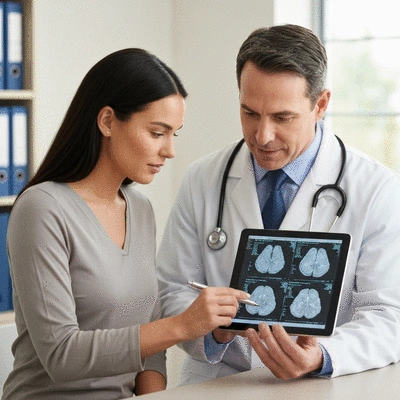
As a board-certified pathologist, I’ve seen firsthand how knowledge can transform a patient's outlook. A well-prepared patient tends to have a smoother experience, and they often feel more in control during their procedure. This proactive approach fosters a deeper connection with their healthcare team, promoting a positive atmosphere.
Final Thoughts on Engaging with Your Healthcare Provider
Remember, your healthcare provider is your partner in this journey. Engaging actively with them can make all the difference. Bring your questions, express your concerns, and don’t shy away from discussing the things that matter to you. Building this rapport not only enhances your understanding but also strengthens your confidence in the care you’re receiving.
As you get ready for your biopsy, think of this as a collaborative effort. Together, you and your medical team will ensure that you receive the best possible care. So, take a moment to jot down your questions and share them with your provider; they’re there to help!
Empowering Patients: Access Resources and Support
Where to Find More Information on Biopsy Procedures
Accessing reliable information is critical for patients preparing for a biopsy. At What Is A Biopsy, we’ve dedicated ourselves to providing comprehensive, doctor-reviewed content to support you. Here are a few resources that can enhance your understanding:
- Our detailed articles covering various biopsy types
- Animations illustrating the biopsy process
- FAQs addressing common patient concerns
- Guides on what to expect before, during, and after your biopsy
These resources are designed to empower you with the knowledge needed to feel confident and well-prepared!
Connecting with Support Networks for Patients Undergoing Biopsies
Connecting with others who are going through similar experiences can be incredibly beneficial. Support networks provide a safe space to share feelings, ask questions, and gain insights from those who have been in your shoes. Consider exploring options such as:
- Local support groups for patients undergoing biopsies
- Online forums and communities focused on patient experiences
- Social media groups where you can share and learn from others
Building these connections can provide comfort and reassurance during your healthcare journey.
The Role of Patient Education in Understanding Biopsy Outcomes
Education plays a pivotal role in understanding biopsy outcomes. As you await your results, it’s essential to know what information is being conveyed and how it relates to your health. Engaging with educational materials helps demystify complex terms and processes, enabling you to grasp your results fully.
At What Is A Biopsy, we offer resources that break down pathology reports and explain what each component means. This understanding not only eases anxiety but also facilitates meaningful discussions with your healthcare provider, ensuring that you’re able to make informed decisions moving forward.
Recap of Key Points
Here is a quick recap of the important points discussed in the article:
- Understand the Importance: A biopsy is crucial for diagnosing conditions and guiding treatment decisions.
- Preparation is Key: Follow your doctor's instructions, including fasting and medication restrictions, to ensure a smooth procedure.
- Know Your Biopsy Type: Different biopsies have specific preparation and recovery steps, so be informed about what applies to you.
- Engage with Your Healthcare Provider: Don't hesitate to ask questions and express concerns to foster a collaborative relationship.
- Plan for Recovery: Be aware of what to expect post-procedure to manage your healing journey effectively.