
When considering a biopsy, many patients wonder about the level of discomfort they'll experience. Local anesthesia plays a crucial role in alleviating these concerns and ensuring a more manageable experience. Here’s what you can expect to learn about the significance of local anesthesia in biopsy procedures.
What You Will Learn
- Local anesthesia significantly reduces pain during biopsy procedures, enhancing patient comfort.
- It allows for quicker recovery, enabling patients to resume normal activities sooner.
- Effective pain management helps alleviate anxiety and fosters trust between patients and healthcare providers.
- Open communication about pain management options can lead to a more tailored and supportive patient experience.
The Local Anesthesia Advantage in Biopsies
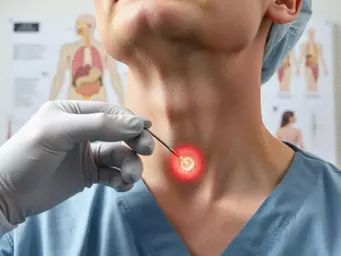
Local anesthesia is key to a comfortable and efficient biopsy, offering significant benefits for patients. The visual below highlights its core advantages and how it enhances the patient experience.
The Importance of Local Anesthesia in Biopsy Procedures
When undergoing a biopsy, many patients share a common question: "Will it hurt?" Understanding the role of local anesthesia can significantly ease these concerns. Local anesthesia is a vital part of many biopsy procedures, ensuring that patients remain comfortable and relaxed during the process. It serves to numb the specific area being examined, allowing for a smoother experience.
Essentially, local anesthesia works by blocking nerve signals in a targeted area, preventing pain and discomfort. This means that while you may feel some pressure during the biopsy, the sensation of pain is minimized, allowing you to focus on the purpose of the procedure rather than the discomfort. For more detailed information on how local anesthesia works, you can consult resources like NCBI Bookshelf.

Understanding Local Anesthesia: Definition and Purpose
Local anesthesia is a medical procedure used to temporarily eliminate sensation in a specific part of the body. For patients undergoing biopsy procedures, this means you can expect to undergo the procedure with minimal discomfort. It's designed to offer quick relief without the need for general anesthesia, which can come with additional risks and longer recovery times.
- Quick Recovery: Patients can typically resume normal activities shortly after the procedure.
- Less Anxiety: Knowing that pain is managed can help reduce overall anxiety about the biopsy.
- Focused Procedures: Doctors can perform the biopsy more efficiently since the patient is comfortable and calm.
This targeted approach is particularly beneficial when it comes to biopsies, where precise tissue sampling is crucial for accurate diagnosis. By minimizing discomfort, we aim to create a more positive experience for patients, helping you feel in control during this often nerve-wracking process. For additional insights into biopsy procedures and patient preparation, resources from the American Society of Anesthesiologists offer valuable information.
Why Choose Local Anesthesia for Biopsies?
There are several compelling reasons to opt for local anesthesia in biopsy procedures. First and foremost, it is safeguarded by years of clinical use, making it a trusted method for pain management. Unlike general anesthesia, local anesthesia allows you to remain awake and alert, actively participating in your care.
- Targeted Pain Relief: Local anesthesia is administered directly to the site, ensuring focused pain management.
- Reduced Risk Factors: With less sedation, there are fewer risks involved compared to general anesthesia.
- Greater Control: Patients can communicate with their healthcare team throughout the procedure, enhancing comfort and reassurance.
This approach aligns perfectly with our mission at What Is A Biopsy, which is to empower patients with knowledge and clarity about their procedures. Choosing local anesthesia not only alleviates discomfort but also promotes a collaborative atmosphere between patient and provider. You can find more comprehensive details on biopsies and local anesthesia benefits on MedlinePlus.

Patient Comfort and Pain Management: Key Factors in Biopsy Success
The success of any medical procedure, including biopsies, often hinges on patient comfort and effective pain management. When patients feel at ease, they are more likely to follow through with necessary tests and trust their healthcare providers. It's essential to discuss any concerns you might have about pain management before your procedure, as this can greatly enhance your overall experience.
- Open Communication: Sharing your concerns with your physician can lead to tailored pain management strategies.
- Follow-Up Support: Knowing that help is available post-procedure can ease worries about recovery.
- Informed Decisions: Understanding the options available empowers you to make the best choices for your health.
At What Is A Biopsy, we strive to demystify the biopsy process, helping to transform anxiety into understanding. Our goal is to ensure that by the time you walk into your procedure, you truly feel informed and prepared to manage your health confidently.
Frequently Asked Questions About Local Anesthesia in Biopsies
- Q: What is local anesthesia?
- A: Local anesthesia is a medical procedure that temporarily eliminates sensation in a specific part of the body, allowing for comfort during procedures like biopsies without the need for general anesthesia.
- Q: What are the main benefits of using local anesthesia for a biopsy?
- A: Key benefits include targeted pain relief, quick recovery, reduced risk factors compared to general anesthesia, less anxiety for the patient, and greater patient control during the procedure.
- Q: Will I feel any pain during a biopsy with local anesthesia?
- A: Local anesthesia is highly effective at minimizing pain. You may feel some pressure or a pulling sensation, but sharp pain should be blocked.
- Q: How long does local anesthesia last?
- A: The duration of local anesthesia varies depending on the type and amount used, but it typically lasts long enough to cover the duration of the biopsy and some time afterward for comfort.
- Q: What should I discuss with my healthcare provider about local anesthesia?
- A: You should discuss your medical history, any allergies, specific concerns about pain or anxiety, the type of anesthesia being used, and recovery expectations.
Interactive Poll
We want to hear from you! How do you feel about the use of local anesthesia in biopsy procedures? Share your thoughts below:
Summary of the Role of Local Anesthesia in Biopsy Procedures
In the realm of biopsy procedures, local anesthesia plays a crucial role in ensuring patient comfort and procedural efficacy. By numbing the area where the biopsy is performed, we help minimize pain and reduce anxiety, allowing patients to focus on the results rather than the process. It’s essential to recognize that local anesthesia is not just about pain relief; it also facilitates a smoother experience for both the patient and the healthcare provider.
Here are some key takeaways regarding the efficacy and patient experience of local anesthesia in biopsy procedures:
- Local anesthesia significantly decreases pain during the biopsy.
- It enhances patient comfort, leading to a more relaxed state.
- Procedures can often be completed more efficiently when patients are comfortable.
- Patient satisfaction tends to be higher with effective pain management strategies.
Ultimately, local anesthesia is integral to transforming what may seem like a daunting procedure into a manageable and even routine experience for patients. With each successful biopsy, we continue to empower individuals to take charge of their health through knowledge and pain-free procedures!
Next Steps for Patients and Clinicians
What Patients Should Discuss with Their Healthcare Providers
As a patient, having an open dialogue with your healthcare provider is vital. I always recommend discussing any concerns you may have about the biopsy and anesthesia options available to you. Here are some topics to bring up:
- Your medical history and any allergies.
- Specific concerns about pain or anxiety during the procedure.
- Questions regarding the type of anesthesia being used.
- Recovery expectations and post-procedure care.
By addressing these points, you can ensure that your healthcare team understands your needs and can provide the best care possible.
Resources for Further Learning and Patient Empowerment
At What Is A Biopsy, we are committed to providing you with reliable and accessible information about biopsy procedures. I encourage patients to explore the following resources to further empower themselves:
- Educational articles on different types of biopsies.
- Procedural animations that demystify the biopsy process.
- Q&A guides addressing common patient concerns.
- Support groups where patients can share their experiences.
These resources can help alleviate anxiety and promote informed decision-making as you navigate your healthcare journey!
Preoperative Care and Informed Consent: Ensuring Patient Readiness
Before undergoing a biopsy, understanding the importance of preoperative care and informed consent is crucial. I always emphasize that patients should feel confident and ready for their procedures. Here are some essential steps to consider:
- Review pre-procedure instructions from your healthcare provider.
- Ask any lingering questions about the process.
- Ensure you have a clear understanding of what to expect during and after the biopsy.
- Confirm that you are comfortable with the consent you are providing.
By taking these steps, you play an active role in your care and set the stage for a successful biopsy experience.
Recap of Key Points
Here is a quick recap of the important points discussed in the article:
- Local Anesthesia Reduces Pain: It significantly minimizes discomfort during biopsy procedures.
- Enhanced Patient Comfort: Patients are more relaxed, which contributes to a smoother biopsy experience.
- Efficient Procedures: Local anesthesia allows for quicker and more effective biopsies.
- Open Communication is Key: Discussing concerns with healthcare providers can lead to tailored pain management strategies.
- Empowerment Through Knowledge: Understanding the anesthesia options helps patients feel more in control of their healthcare decisions.