

As you embark on your journey of understanding breast cancer diagnosis, recognizing the significance of hormone receptor status can be a pivotal step in navigating your health. This knowledge not only informs treatment options but empowers you to make informed decisions regarding your care.
What You Will Learn
- Hormone receptor status indicates whether cancer cells respond to hormones, critical for treatment planning.
- Estrogen and progesterone receptors can influence tumor growth and treatment effectiveness.
- Tumor markers, like CA 15-3 and HER2/neu, provide crucial insights into cancer aggressiveness.
- Open communication with healthcare providers can alleviate anxiety and clarify treatment options.
- Patient decision aids help navigate equivocal biopsy results, enhancing decision-making confidence.
- Understanding risk assessment factors aids personalized treatment planning after biopsy results.
Understanding Hormone Receptor Status in Breast Biopsies
Hormone receptor status is critical in breast cancer diagnosis, guiding treatment options and prognosis. The visual below summarizes the key receptor types and their implications.
Hormone Receptor Status: What It Means
Hormone receptors are proteins on cancer cells that can influence tumor growth. Knowing their status (ER-positive, PR-positive, HER2/neu) directs treatment.
Estrogen Receptors (ER)
If cancer cells have ER, they are ER-positive. Estrogen can stimulate tumor growth. Treatments like SERMs or aromatase inhibitors target these receptors.
Progesterone Receptors (PR)
Similar to ER, PR-positive cells are influenced by progesterone. Often assessed alongside ER to determine hormone sensitivity.
Additional Tumor Marker: HER2/neu
Indicates a more aggressive form of breast cancer. Treatments specifically target HER2-positive cells.
Understanding Hormone Receptor Status and Its Importance in Biopsy Interpretation
When navigating the complexities of breast cancer diagnosis, understanding hormone receptor status is crucial. This concept can feel overwhelming, but it's fundamental to how your biopsy results are interpreted. In this section, I'll break down what hormone receptor status means and why it matters, helping you gain confidence in understanding your health.
Hormone receptors are proteins found in and on the surface of cells. They can influence how a tumor grows and how it responds to treatment. Knowing whether your biopsy shows positive or negative hormone receptor status can guide your treatment options and overall prognosis.
What is Hormone Receptor Status in Breast Biopsies?
Hormone receptor status refers to whether cancer cells have receptors for the hormones estrogen and progesterone. This information is determined during the biopsy process and is essential for tailoring your treatment plan. In a breast biopsy, healthcare providers often look for two main types of receptors:
- Estrogen Receptors (ER): If your cancer cells have these receptors, they are considered ER-positive.
- Progesterone Receptors (PR): Similar to ER, if cancer cells possess these receptors, they are labeled PR-positive.
Understanding your hormone receptor status can help clarify how your cancer may behave and what treatment options may be most effective. If you’re feeling anxious about these terms, remember that you’re not alone—many patients share these concerns when facing a diagnosis.
The Role of Estrogen and Progesterone Receptors in Tumor Biology
Estrogen and progesterone receptors play significant roles in the biology of breast tumors. When these hormones bind to their respective receptors, they can stimulate tumor growth. This means that targeting these receptors with specific therapies can often slow or stop the growth of hormone receptor-positive tumors. For more detailed information on how hormone receptor status influences specific breast cancer treatments, refer to resources from the National Cancer Institute.
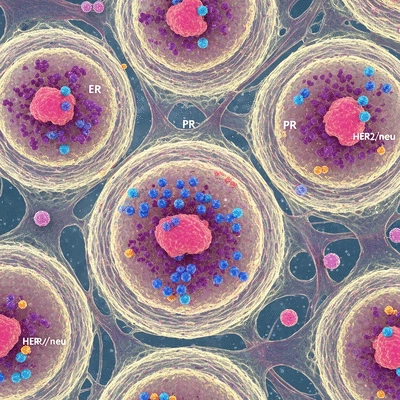
This relationship emphasizes the importance of hormone receptor status. For example, if your tumor is ER-positive, treatments such as selective estrogen receptor modulators (SERMs) or aromatase inhibitors may be recommended. Understanding how these receptors work can empower you to make informed decisions about your treatment.
Understanding Tumor Markers and Their Relevance in Breast Cancer Diagnosis
Tumor markers are substances produced by cancer cells or by the body in response to cancer. They can provide valuable insights into how aggressive a cancer may be and help guide treatment decisions. In breast cancer, common tumor markers include:
- CA 15-3: Often elevated in patients with breast cancer.
- HER2/neu: Indicates a more aggressive form of breast cancer.
- Oncotype DX: Helps predict the benefit of chemotherapy in early-stage breast cancer.
These markers can help paint a fuller picture of your cancer, making it easier to plan effective treatment strategies. For additional insights into the significance of hormone receptor status as a risk factor, Breastcancer.org offers valuable information.
We Want to Hear From You!
Understanding your hormone receptor status can be daunting. What are your main concerns or questions regarding your biopsy results? Share your thoughts below:
Frequently Asked Questions About Hormone Receptor Status and Breast Biopsies
Next Steps After Receiving Your Biopsy Results
Receiving your biopsy results can feel like a whirlwind of emotions, and it's completely normal to have questions flooding your mind. Your next steps are crucial, so let’s explore how to navigate this process with confidence. Remember, I'm here to help you understand this journey better!
First, I encourage you to consult with your healthcare providers. This is your opportunity to clarify any uncertainties you might have. Here are a few questions to consider asking during your appointment:
- What does my biopsy result indicate regarding hormone receptor status?
- Are there any additional tests or evaluations needed?
- What are my treatment options based on these results?
- What potential side effects should I expect from the recommended treatments?
By asking these questions, you're taking an active role in your healthcare decisions, which can help alleviate some anxiety as you learn more about your situation.
Patient Decision Aids for Equivocal Results: Navigating Uncertainty
Sometimes, biopsy results may come back as equivocal—meaning they aren't clearly positive or negative. This uncertainty can be daunting! It's essential to use available resources to help guide your decisions. Patient decision aids are valuable tools designed to support you in these situations. They can:
- Provide information on possible next steps and treatment options
- Help you weigh the pros and cons of each option
- Encourage discussions with your healthcare team about your preferences
Using these aids can empower you to feel more confident in your next steps, giving you a clearer understanding of your choices.
Understanding Risk Assessment and Recurrence Risk After Biopsy
After receiving your biopsy results, it’s also important to understand your risk assessment for recurrence. Your healthcare provider may discuss factors such as your hormone receptor status, tumor size, and grade. This information is crucial for developing a personalized treatment plan. Here are a few key areas they might consider:
- Your overall health and medical history
- The characteristics of the tumor, including hormone receptor status
- Your family history of breast cancer
Each of these factors contributes to your individualized assessment, guiding your healthcare provider in recommending the best course of action tailored for you. For further reading on the latest advancements in breast cancer diagnosis and treatment, a review published in PMC NCBI NLM NIH provides comprehensive insights.

Empowering Patients through Knowledge
Staying informed is one of the best ways to empower yourself as you navigate through your biopsy results and treatment options. At What Is A Biopsy, we are dedicated to providing you with accessible information about hormone receptor status and biopsies, so you feel confident in your healthcare journey.
Staying Informed: Resources for Ongoing Education on Hormone Receptor Status
Knowledge is power! Whether it's about hormone receptor status or the implications of your biopsy results, having reliable resources is key. Here are some useful materials you can explore:
- Doctor-reviewed articles on our website that cover various biopsy types
- Infographics simplifying complex information about hormone receptors
- Online forums where patients can share experiences and advice
These resources can help you stay informed and make empowered choices regarding your health.
Encouraging Open Communication: Sharing Your Concerns with Your Medical Team
Don’t hesitate to share your feelings and concerns with your medical team. An open dialogue fosters trust and ensures that your worries are addressed. Here are some tips for effective communication:
- Be honest about your fears or doubts regarding treatment
- Ask for clarification on medical terminology you don’t understand
- Inquire about support services available, such as counseling or support groups
By fostering this open communication, you can alleviate some of your anxiety and strengthen your relationship with your healthcare providers.
Exploring Clinical Trials and Research Studies in Breast Cancer Treatment
As a patient, you might consider exploring clinical trials or research studies as part of your treatment options. These studies often offer access to cutting-edge treatments and valuable resources. Here’s how to approach this:
- Ask your healthcare provider if there are any clinical trials available for your specific diagnosis
- Look for reputable organizations that list ongoing studies
- Consider eligibility criteria and the potential benefits and risks of participation
Participating in a clinical trial can help you stay on the forefront of breast cancer treatment while contributing to the advancement of medical knowledge.
Recap of Key Points
Here is a quick recap of the important points discussed in the article:
- Understanding hormone receptor status (ER and PR) is essential for personalized breast cancer treatment.
- Hormone receptors influence tumor growth and response to therapies, highlighting the importance of receptor testing during biopsies.
- Tumor markers like CA 15-3 and HER2/neu provide insights into cancer aggressiveness and treatment options.
- Open communication with healthcare providers is crucial for understanding biopsy results and discussing treatment plans.
- Utilizing patient decision aids can help navigate uncertain biopsy results and empower informed choices.
- Being proactive in asking questions and seeking resources enhances patient confidence and understanding throughout the treatment journey.